Haneda (HND) Airport Guide: First-Time Visitor Tips in Tokyo
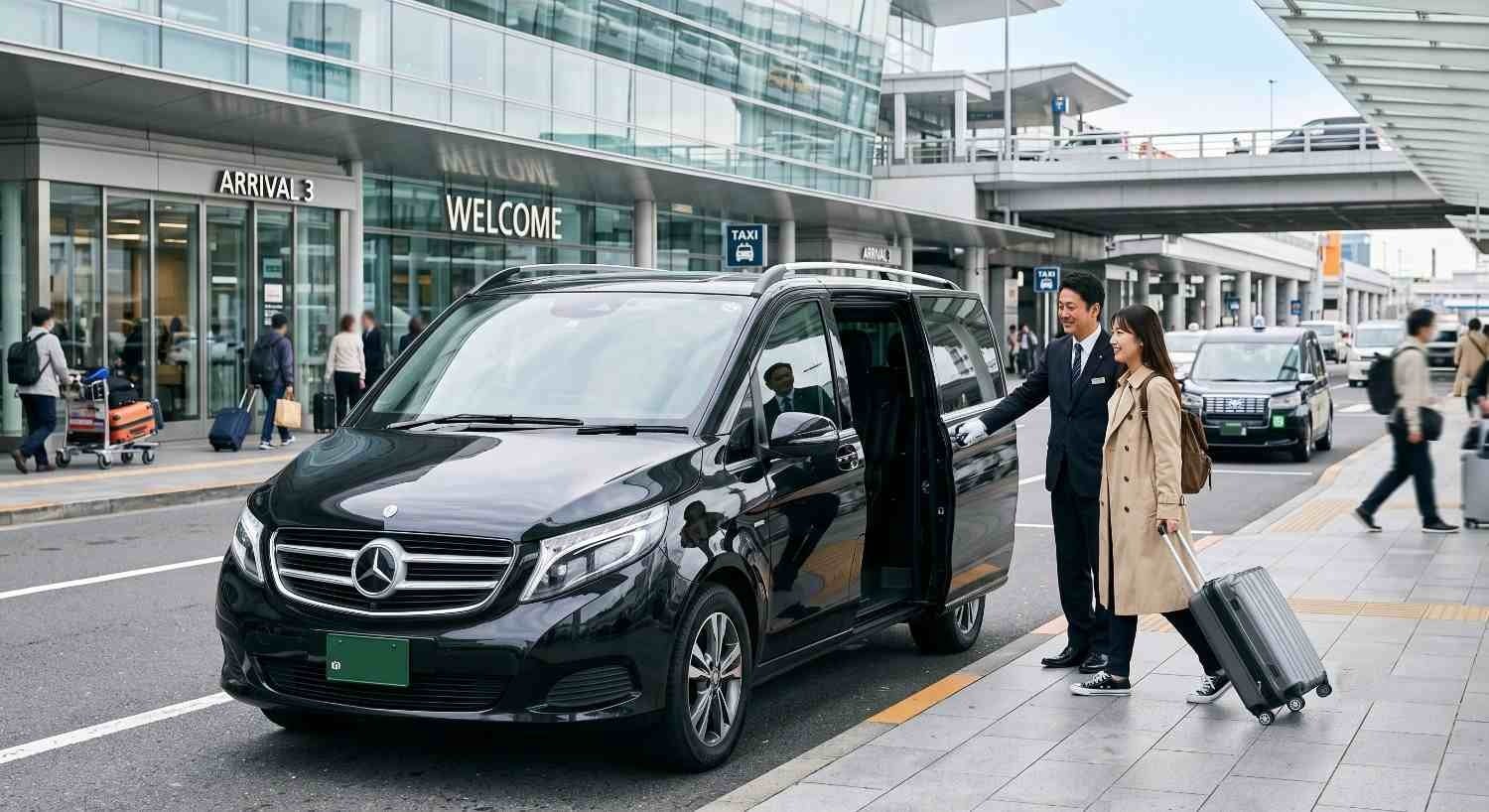
Arriving in Tokyo for the first time can be exciting, but navigating a busy international airport after a long flight may feel overwhelming. Haneda Airport, officially known as Tokyo International Airport (HND), is one of the main gateways to Japan’s capital and is particularly convenient for travellers heading into central Tokyo.
From understanding the terminals and transportation options to handling luggage, currency, Wi-Fi, and local etiquette, a little preparation can make your arrival much smoother. This guide covers the essential Haneda Airport tips first-time visitors should know before landing in Tokyo.
What Is Haneda Airport?
Haneda Airport is located in Ota City, relatively close to central Tokyo. Its location is one of its biggest advantages compared with Narita International Airport, which is farther from the city centre.
Haneda handles both domestic and international flights and has three main passenger terminals. Terminal 1 and Terminal 2 primarily serve domestic flights, while Terminal 3 is the main international terminal. However, terminal assignments can vary by airline and flight, so travellers should always check their booking before arriving.
Because the airport is well connected to Tokyo’s rail network and major roads, getting from the airport to areas such as Shinjuku, Shibuya, Ginza, Tokyo Station, and Shinagawa is generally straightforward.
Know Your Terminal Before You Land
One of the easiest ways to avoid unnecessary stress is to confirm your terminal before travelling. Haneda’s terminals are large, and going to the wrong one can waste valuable time.
Before leaving for the airport, check:
-
Your airline and flight number
-
Arrival terminal
-
Airport transportation options
-
Whether your hotel offers a shuttle
-
The location of baggage collection and customs
-
Your onward transportation route
If you are meeting someone at the airport, confirm the terminal and an easily identifiable meeting point in advance.
What Happens After Landing at Haneda?
International passengers generally follow a simple arrival process, although queues can vary depending on the time of day and passenger volume.
The typical sequence is:
-
Follow signs for immigration.
-
Complete the required immigration procedures.
-
Collect your checked luggage.
-
Proceed through customs.
-
Enter the public arrival area.
-
Locate your transportation, hotel shuttle, or meeting point.
Keep your passport and travel documents easily accessible. If you have connecting travel plans, avoid scheduling them too tightly because immigration, baggage collection, and customs can take longer than expected.
Best Ways to Travel From Haneda to Tokyo
Haneda offers several ways to reach the city. The best option depends on your destination, budget, luggage, arrival time, and personal preference.
Train and Subway
Public transportation is often the fastest and most economical choice. Haneda is connected to Tokyo through rail services, making it practical for travellers staying near major stations.
However, first-time visitors carrying several bags may find Tokyo’s stations challenging. Some routes involve stairs, elevators, transfers, and crowded platforms, especially during busy periods.
Airport Bus
Airport limousine buses connect Haneda with various hotels and destinations around Tokyo. They can be convenient if your accommodation is close to a designated stop and you prefer not to manage luggage through train stations.
The main advantage is simplicity: you can generally place your larger luggage in the vehicle and travel directly toward your destination without making multiple rail transfers.
Taxi
Taxis provide door-to-door transportation and are useful when travelling with children, heavy luggage, or during late hours. The drawback is that fares can be significantly higher than public transportation, particularly for longer journeys.
Traffic conditions can also affect travel time.
Pre-Booked Private Transportation
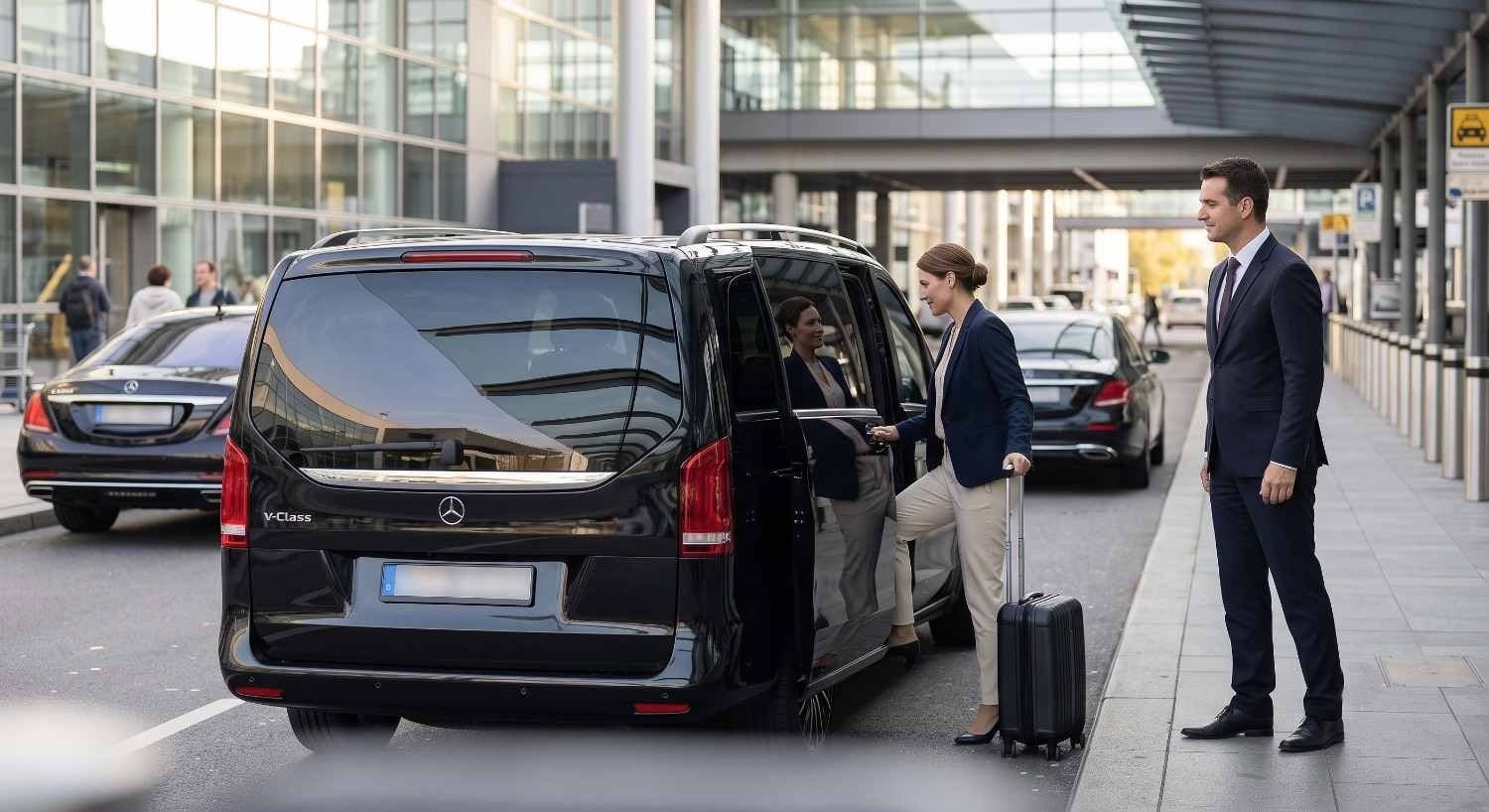
For travellers who value convenience, privacy, and a predictable arrival experience, pre-arranged transportation can be a comfortable alternative. A reserved vehicle can be particularly useful after a long international flight when you would rather avoid navigating unfamiliar stations.
An Airport Transfer in Tokyo can take you directly from Haneda to your hotel or another destination, helping simplify the first stage of your Tokyo visit.
Why Book Airport Transportation in Advance?
Pre-booking is not essential for every traveller, but it can make a major difference for first-time visitors.
A reservation can help you:
-
Know your transportation plan before landing
-
Avoid searching for a vehicle after a long flight
-
Reduce confusion around pickup locations
-
Travel more comfortably with large luggage
-
Arrange transportation for families or groups
-
Make late-night or early-morning arrivals easier
If your itinerary is tightly scheduled, having transportation organised beforehand can also reduce unnecessary delays.
Choosing an Airport Pickup Service
An Airport Pickup Service can be especially convenient when you want someone to meet you after arrival rather than finding transportation independently.
Depending on the provider, the driver may monitor your flight, wait at an agreed meeting point, and assist with luggage. Before booking, check exactly where the driver will meet you because airports can have designated pickup restrictions.
For a smooth experience, make sure your reservation includes the correct:
-
Flight number
-
Arrival date and time
-
Terminal
-
Passenger count
-
Luggage requirements
-
Hotel or destination address
-
Contact details
Providing accurate information helps the transportation provider coordinate your arrival more efficiently.
Is a Chauffeur Service Worth It?
Travellers visiting Tokyo for business, special occasions, or luxury holidays may prefer a higher level of comfort and service.
A Professional Chauffeur Service typically offers a more personalised travel experience than standard transportation. Depending on the vehicle and provider, travellers may benefit from a private vehicle, professional driver, luggage assistance, and direct transportation to their destination.
This can be particularly appealing after a long-haul flight when comfort and convenience are more important than finding the cheapest route.
When Should You Consider a Limousine?
Despite the name, airport limousine services do not necessarily mean travelling in a traditional stretch limousine. In Tokyo, the term can also refer to premium or executive transportation designed around passenger comfort.
A Premium Limousine Service may suit business travellers, honeymooners, families celebrating a special occasion, or visitors who simply prefer a more refined arrival experience.
When comparing services, look beyond the vehicle itself. Check whether the price includes waiting time, luggage assistance, tolls, meet-and-greet service, and other possible charges.
Practical Tips for First-Time Haneda Visitors
Tokyo is generally well organised, but a few simple preparations can make your arrival considerably easier.
-
Keep your accommodation address available. Save the hotel name and address on your phone, preferably in both English and Japanese.
-
Carry some Japanese yen. Cards and mobile payments are widely accepted, but having some cash can still be useful for smaller purchases and unexpected situations.
-
Arrange mobile connectivity. Consider an eSIM, physical SIM, or pocket Wi-Fi before or soon after arrival so you can use maps and transportation apps.
-
Download useful apps. Navigation and translation apps can make communication and route planning easier.
-
Allow extra time. Do not assume that every airport-to-hotel journey will take exactly the estimated travel time. Traffic, train connections, queues, and luggage can affect your schedule.
-
Dress appropriately for the season. Tokyo experiences distinct seasons, and the weather can change significantly throughout the year.
-
Keep your passport secure. Store important documents somewhere accessible but safe during your journey.
What About Luggage?
Luggage can strongly influence which transportation option makes sense. Tokyo’s train system is efficient, but stations can involve considerable walking, stairs, escalators, and transfers.
If you have:
-
Multiple large suitcases
-
A stroller
-
Sports equipment
-
Oversized baggage
-
Several passengers
then a direct vehicle may be considerably more convenient.
Travellers staying in compact accommodation should also check their hotel’s luggage policies before arriving.
Haneda Airport for Business Travellers
Tokyo is an important international business destination, and Haneda is convenient for professionals travelling to meetings, conferences, offices, and hotels across the city.
Business travellers may benefit from arranging transportation in advance, particularly when arriving with colleagues or carrying presentation equipment. A private vehicle can also provide a quieter environment for making calls, checking schedules, or preparing for meetings during the journey.
For corporate groups, booking transportation according to passenger and luggage requirements can help avoid last-minute vehicle changes.
Common Mistakes First-Time Visitors Should Avoid
Even experienced travellers can encounter problems when arriving somewhere unfamiliar. At Haneda, some common mistakes are easy to prevent.
Avoid:
-
Assuming your terminal without checking your flight
-
Leaving the airport without confirming your hotel route
-
Booking a transfer with incorrect flight information
-
Underestimating luggage and walking requirements
-
Planning a very tight connection after an international arrival
-
Forgetting to arrange internet access
-
Relying entirely on cash or entirely on one payment method
-
Ignoring the possibility of traffic delays
A few minutes of preparation before your flight can save much more time after landing.
Final Thoughts
Haneda Airport is one of the most convenient entry points for travellers visiting Tokyo, especially because of its relatively close location to central areas and extensive transportation connections. For first-time visitors, the key is to plan the arrival rather than trying to solve everything after landing.
Confirm your terminal, prepare your hotel information, understand your transportation choices, and allow enough time for immigration and baggage collection. Public transportation is excellent for many travellers, while private transfers, chauffeur services, and premium vehicles can provide additional comfort and convenience.
Most importantly, choose transportation according to your actual needs rather than simply selecting the cheapest option. With a little preparation, your arrival at Haneda can be the beginning of a smooth and enjoyable Tokyo adventure.
Dubai Airport to Expo City: Airport Transfer & Chauffeur Service
October 8, 2026
Geneva Airport to Ski Resorts: Private Transfer & Chauffeur
October 8, 2026
Bergamo Airport to Milan Hotels: Private Chauffeur Transfer
September 28, 2026
Antalya Airport to City Centre: Transfers & Chauffeur Service
September 28, 2026