Airport Transfer vs Rental Car for Business Travellers
Business travel often comes with a tight schedule. From catching an early flight to reaching a client meeting on time, every part of the journey needs to be planned carefully. Transportation is one of the most important decisions because it can directly affect punctuality, comfort, productivity, and travel expenses.
Two common options for business travellers are booking an airport transfer or renting a car. Both can be useful, but they serve different purposes. A rental car provides flexibility and independence, while a professionally arranged transfer can reduce the stress associated with driving, parking, navigation, and vehicle management.
Understanding the differences can help business travellers choose the option that best matches their itinerary.
Airport Transfer or Rental Car: What Is Better?
There is no single answer for every business trip. The right choice depends on the destination, length of stay, number of meetings, travel distance, and personal preference.
A rental car may make sense when a traveller needs to visit several locations independently. However, an airport transfer can be more convenient when the main priority is arriving on time without having to handle the driving themselves.
For travellers with meetings immediately after landing, having a pre-arranged vehicle waiting at the airport can make the journey considerably smoother.
Why Airport Transfers Can Be Convenient
An airport transfer is more than simply getting from the airport to a hotel. For business travellers, it can become part of an organized travel plan.
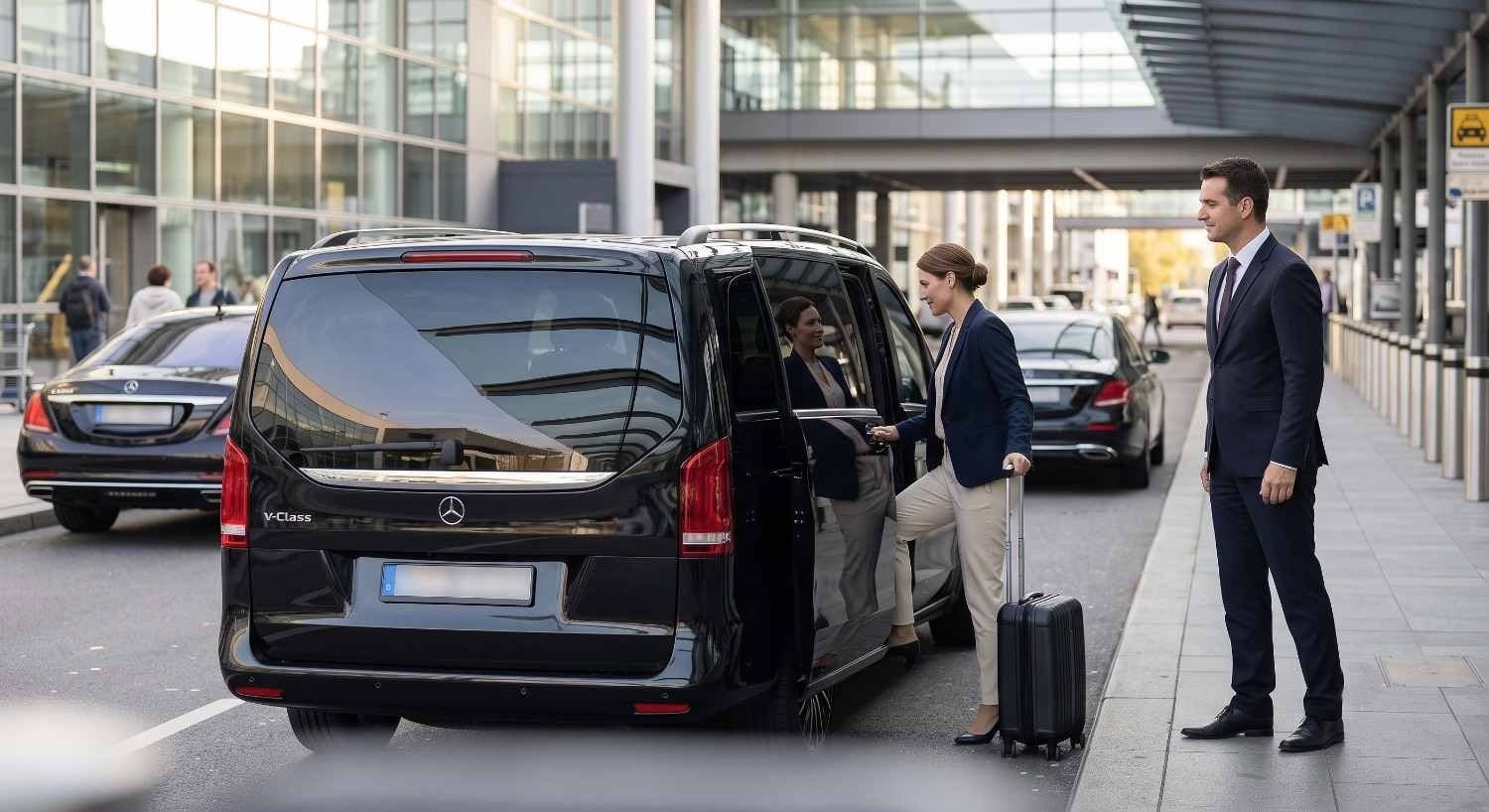
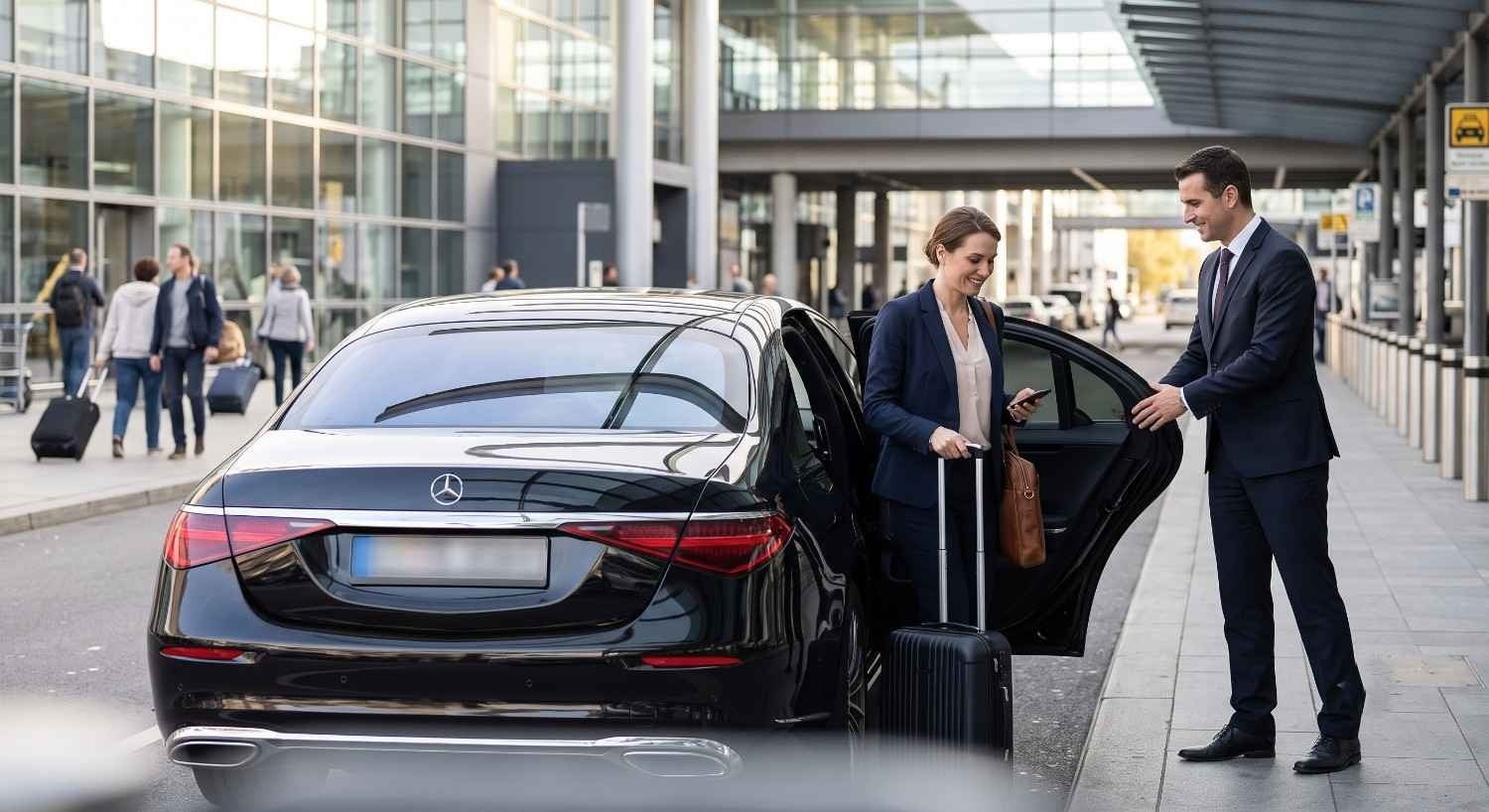
With an Airport Transfer Service, the vehicle can be arranged before the journey, reducing the need to search for transportation after landing. Depending on the provider, services may include airport pickup, flight monitoring, meet-and-greet assistance, luggage support, and direct transportation to a hotel, office, conference venue, or other destination.
This can be particularly useful for travellers arriving in an unfamiliar city where navigating local roads or understanding public transportation may take additional time.
The Hidden Costs of Rental Cars
Rental cars often appear attractive because the initial daily rate may seem reasonable. However, the actual cost of driving can be higher than expected.
Business travellers should consider expenses such as:
-
Rental charges and applicable taxes
-
Fuel costs
-
Parking fees
-
Tolls
-
Insurance or additional coverage
-
Additional driver charges
-
Vehicle upgrades
-
Potential late-return fees
-
Traffic-related delays
In busy business districts, parking can become especially inconvenient. A traveller may spend valuable time searching for a parking space instead of preparing for a meeting.
An airport transfer generally makes the cost easier to understand in advance when the provider offers fixed or pre-agreed pricing.
Time Management for Business Travellers
Time is one of the biggest factors separating a professional transfer from self-driving.
When using a rental car, the traveller is responsible for collecting the vehicle, checking the vehicle condition, loading luggage, setting navigation, driving, finding parking, and returning the car. Each step may be manageable individually, but together they can consume considerable time.
A chauffeur-driven vehicle allows the passenger to use the journey differently. Instead of concentrating on traffic, they can review presentations, respond to emails, make calls, or simply prepare mentally for the next meeting.
This can be especially valuable when the itinerary includes several appointments throughout the day.
When a Rental Car Makes More Sense
Rental cars are not necessarily the wrong choice. They can be highly practical for specific types of business trips.
A rental vehicle may be suitable when:
-
Meetings are spread across different suburbs or towns
-
The traveller needs transportation for several consecutive days
-
Public transportation is limited
-
Multiple employees need to travel independently
-
The destination has convenient and affordable parking
-
The traveller is comfortable driving in the area
For example, a sales professional visiting several clients across a large region may benefit from having their own vehicle throughout the trip.
The key advantage is independence. Travellers can change their plans without having to arrange a new vehicle for every journey.
The Advantage of City-to-City Business Travel
Business trips do not always involve airport-to-hotel transportation. A traveller may land in one city and need to attend a meeting, conference, or corporate event in another.
A City to City Transfer Service can be useful for such itineraries because the journey can be arranged around the traveller's schedule. Instead of collecting a rental car and managing the entire drive, passengers can travel directly between destinations while remaining productive during the journey.
This can be particularly useful when travelling with colleagues, presentation equipment, or business luggage.
Chauffeur Services and Productivity
One of the major advantages of chauffeur transportation is that the traveller does not have to concentrate on driving.
An Hourly Chauffeur Service can be particularly useful for business travellers with a schedule that includes several stops. Instead of booking separate rides for every appointment, a vehicle and professional driver can remain available according to the agreed service period.
This type of arrangement can offer greater flexibility for meetings, corporate visits, shopping appointments, conferences, and other business-related activities.
The traveller can focus on work while the chauffeur manages the road, allowing transportation time to become productive time.
Comfort and Professional Image
Business travel is not only about reaching a destination. The quality of transportation can also influence the overall travel experience.
A Premium Chauffeur Service may provide a more comfortable environment for executives, corporate guests, and professionals who want a quiet space between meetings. Depending on the vehicle, passengers may have additional legroom, comfortable seating, luggage capacity, and a more refined travel environment.
For companies welcoming an important client or business partner, professional transportation can also create a positive first impression.
When a VIP Limousine Can Be Appropriate
Certain business occasions require a higher level of presentation and privacy. Executive airport arrivals, important client visits, corporate events, conferences, and VIP hospitality are examples where a VIP Limousine Service may be considered.
A professionally presented vehicle and chauffeur can provide a polished travel experience while allowing passengers to focus on their business priorities. For executives travelling with clients or international partners, this can also provide a convenient way to move between airports, hotels, offices, and event venues.
Driving in an Unfamiliar City
Driving in a new destination can be challenging even for experienced motorists. Local traffic patterns, unfamiliar road signs, restricted zones, toll roads, construction, and parking regulations can create unexpected difficulties.
International business travellers may also face the additional challenge of adjusting to different driving practices.
Using a professional driver removes much of this responsibility. The passenger can concentrate on their schedule instead of constantly checking navigation applications or worrying about missing a turn.
This can be especially valuable after a long international flight when fatigue may already affect concentration.
Airport Transfer vs Rental Car: Flexibility
Flexibility is one area where rental cars traditionally have an advantage. A traveller has access to the vehicle throughout the rental period and can make spontaneous journeys.
However, professional transfers can also provide flexibility when booked appropriately. Hourly arrangements, multi-stop journeys, and scheduled return transfers can accommodate changing business itineraries.
The better option depends on how the traveller expects to use the vehicle.
If the vehicle is needed continuously throughout the day, an hourly chauffeur arrangement may be practical. If the traveller only needs transportation for specific journeys, individual transfers may be more efficient.
Which Option Is More Stress-Free?
For many business travellers, convenience is more important than simply choosing the cheapest transportation option.
A rental car requires the traveller to manage several responsibilities personally. A transfer service shifts many of those responsibilities to the transportation provider.
The traveller can simply enter the vehicle, confirm the destination, and use the journey productively.
This can make a noticeable difference during demanding trips where the schedule includes flights, meetings, presentations, dinners, and corporate events.
How to Choose the Right Transportation
Before making a decision, business travellers should consider the following questions:
-
How many destinations will I visit?
-
How far apart are my meetings?
-
Will I need the vehicle continuously?
-
Is parking easily available?
-
Am I familiar with local roads?
-
Do I need to work while travelling?
-
Am I travelling alone or with colleagues?
-
Will I have large amounts of luggage or equipment?
-
Is professional presentation important?
-
What is the total transportation cost rather than only the basic rental price?
Answering these questions can make the decision much easier.
Conclusion
Choosing between an airport transfer and a rental car ultimately depends on the nature of the business trip. Rental cars offer independence and can be practical for travellers who need a vehicle for several days or must visit multiple locations on their own schedule.
Airport transfers, on the other hand, can provide convenience, professional service, predictable transportation, and more time to focus on business priorities. For executives, corporate guests, and travellers with demanding schedules, avoiding driving and parking can make the entire journey more efficient.
The best transportation choice is therefore not always the one with the lowest advertised price. Business travellers should consider time, comfort, flexibility, productivity, parking, and the total cost of the journey. When these factors are considered together, a professionally arranged transfer can be a valuable part of an efficient and stress-free business travel plan.
Dubai Airport to Expo City: Airport Transfer & Chauffeur Service
October 8, 2026
Geneva Airport to Ski Resorts: Private Transfer & Chauffeur
October 8, 2026
Bergamo Airport to Milan Hotels: Private Chauffeur Transfer
September 28, 2026
Antalya Airport to City Centre: Transfers & Chauffeur Service
September 28, 2026